
Stainless Steel Pot User Guide
Kitchen utensils are incomplete without a stainless steel pot — it’s the ultimate all-round player for both new cooks and seasoned chefs. But many people have questions about a stainless steel pot: what scenarios suit a stainless steel pot? How to use a stainless steel pot without sticking? This complete guide to the stainless steel pot will answer all these questions in one go.
Common Usage Scenarios for a Stainless Steel Pot
1. Stir-frying with a stainless steel pot
For daily home-cooked stir-fries, a stainless steel pot is perfect. A stainless steel pot conducts heat evenly, making heat control easy — whether you’re stir-frying greens or meat slices, it locks in freshness quickly and rarely burns.
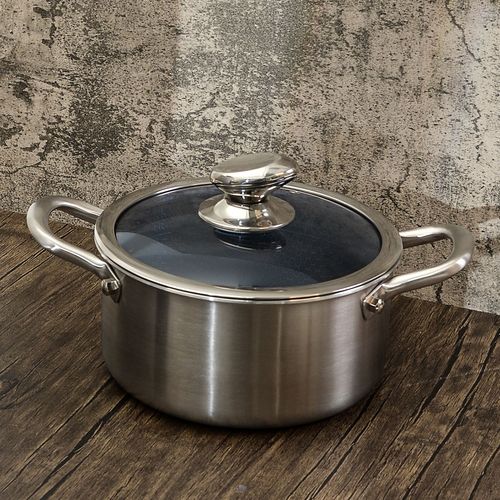
2. Simmering soups and stews with a stainless steel pot
A stainless steel pot has great sealing, so it’s ideal for boiling rib soup or stewing braised pork. A large-capacity stainless steel pot meets the soup and dish needs of the whole family, and the stewed ingredients turn out tender and flavorful.
3. Boiling noodles and reheating meals with a stainless steel pot
Boiling noodles in the morning or reheating leftovers at noon is convenient and fast with a stainless steel pot. A stainless steel pot heats up quickly, so you can enjoy a warm meal without waiting long — it’s a must-have for lazy kitchens.
4. Pan-frying ingredients with a stainless steel pot
A flat-bottomed stainless steel pot works perfectly for frying eggs or steaks. As long as you control the temperature well, the ingredients cooked in a stainless steel pot come out crispy, non-sticky, and just right in taste.
Correct Usage Methods for a Stainless Steel Pot
1. Season your stainless steel pot before first use
Don’t use a new stainless steel pot right away — season it first. Pour warm water into the stainless steel pot, clean the inner wall with dish soap, dry it, heat it on low fire, spread a little cooking oil evenly inside, let it sit for 30 minutes, then wash it. This boosts the non-stick effect of your stainless steel pot.
2. Control the temperature when using a stainless steel pot
A stainless steel pot conducts heat quickly, so avoid dry-burning it on high fire when stir-frying. Preheat the stainless steel pot on medium-low fire first, then add ingredients — this prevents food from sticking or the pot surface discoloring due to overheating.
3. Don’t place a hot stainless steel pot on a cold surface
After serving your dishes, don’t put a hot stainless steel pot directly on a cold countertop or tile. Sudden temperature changes can deform a stainless steel pot, so always use a heat-insulating mat.
Maintenance Tips for a Stainless Steel Pot
1. Clean your stainless steel pot promptly after use
Wash your stainless steel pot right after each use. When the stainless steel pot is still warm, wipe it with a soft sponge and mild dish soap — stains come off easier, and residual oil won’t cake on the stainless steel pot.
2. Avoid scrubbing a stainless steel pot with steel wool
While a stainless steel pot has a sturdy surface, steel wool will scratch it and leave marks. For stubborn stains on a stainless steel pot, soak it in warm water for a few minutes, then wipe gently with a soft cloth.
3. Dry and store your stainless steel pot properly
If you won’t use a stainless steel pot for a long time, dry both the inside and outside thoroughly, then store it in a dry, ventilated area. Humidity can cause water stains or slight rust on a stainless steel pot.
Common Questions About a Stainless Steel Pot
1. What if a stainless steel pot sticks?
If your stainless steel pot sticks, first check if the temperature was poorly controlled. Next time you use the stainless steel pot, preheat it first, add oil, turn to low fire once the oil is hot, then add ingredients — this reduces sticking. If food is already stuck, soak the stainless steel pot in warm water to soften the stains before cleaning.
2. Will a stainless steel pot rust?
Qualified food-grade stainless steel pots rarely rust, but long-term contact with high-salt ingredients (like pickles) without prompt cleaning may cause slight rust spots. To fix this, boil white vinegar and water in the stainless steel pot, then clean it — the rust spots will disappear.
3. Can a stainless steel pot be used on an induction cooker?
Most stainless steel pots work with induction cookers, but confirm the pot has a multi-layer bottom design. A stainless steel pot with a multi-layer bottom has better magnetic conductivity, heats stably on induction cookers, and is safer to use.
Key Points for Choosing a Stainless Steel Pot
1. Check the material of the stainless steel pot
Prioritize a stainless steel pot made of 304 or 316 material — both are food-grade, safe, non-toxic, and highly corrosion-resistant, perfect for long-term contact with ingredients in a stainless steel pot.
2. Choose the right stainless steel pot type for your needs
Pick a deep-bottomed stainless steel pot for stir-frying (to avoid oil splashing), a double-handled stainless steel pot for soups (easier to hold), and a flat-bottomed stainless steel pot for pan-frying (more even heating).
3. Pick a moderately thick stainless steel pot
A stainless steel pot isn’t better the thicker it is — 3-5mm thickness is ideal. A too-thick stainless steel pot conducts heat slowly, a too-thin one deforms easily, and a moderately thick stainless steel pot balances heat conduction and durability.
A stainless steel pot is a practical kitchen essential — with the right usage and maintenance, a stainless steel pot will serve you for years. Choosing the right stainless steel pot for daily cooking boosts both your efficiency and cooking experience.